Top 10 Smartphones and Cases Buyers Must Consider in 2026?
As we approach 2026, the smartphone and case market is evolving rapidly. According to a recent report by the International Data Corporation, smartphone shipments are set to grow by 3.4% annually. This growth is driven by advancements in technology and design. Renowned industry expert Dr. Emily Harris highlights the importance of choosing the right smartphone and case. She asserts, "The synergy between a smartphone and case can enhance user experience significantly."
Consumers now face an extensive range of options. The selection of smartphones includes powerful flagship models and budget-friendly alternatives. Cases vary from rugged designs for extreme protection to slim, aesthetic options for style. This variety can be overwhelming. Many buyers overlook essential factors like compatibility and durability.
In a market with such diversity, making informed choices is crucial. The right smartphone and case can significantly impact usability. Research often shows that nearly 30% of customers regret their purchases due to poor decision-making. Staying aware of the latest trends and insights in the smartphone and case sector can help mitigate this issue.
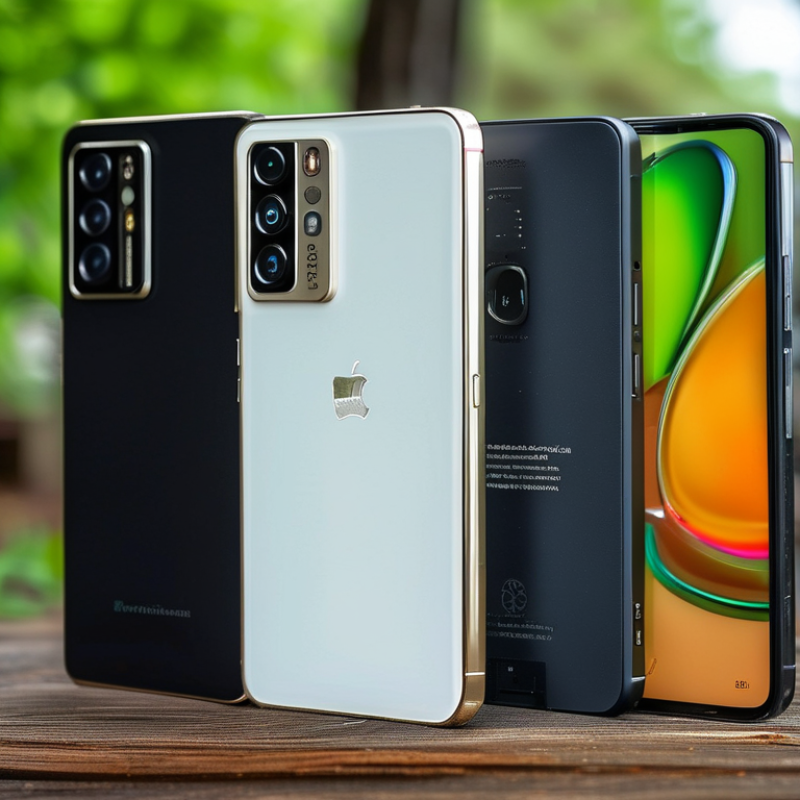
Top 10 Smartphones to Watch for in 2026
As we look ahead to 2026, the smartphone landscape is set for notable transformations. Emerging features such as advanced AI integration promise to enhance user experiences significantly. Expect smartphones equipped with cutting-edge processors, enabling seamless multitasking. Cameras may evolve to deliver stunning imagery, rivaling professional photography equipment. The demand for durability and design is also likely to drive innovation in materials used for smartphone construction.
Additionally, connectivity will play a vital role in new models. With the rollout of enhanced 5G technology, users can look forward to faster download speeds and improved streaming capabilities. Battery technology is another area to track. While rapid charging has gained popularity, we might see breakthroughs that extend battery life. These enhancements create a space for exciting possibilities but also raise questions about sustainability and environmental impact.
Many consumers will weigh these innovations against their personal preferences and use cases. Some may prioritize camera quality for social media, while others might value gaming performance. Experimenting with different models and understanding personal needs will be essential. As new devices launch, the choice can be overwhelming, yet it also sparks curiosity. Determining what features are essential and which ones are superfluous could lead to a more personalized smartphone experience in 2026.
Key Features to Look for in 2026 Smartphone Models
As the smartphone industry rapidly evolves, key features in 2026 will define consumer choices. Expect innovations in processing power, with many models adopting next-gen chipsets. Reports indicate that 5G adoption will soar to over 80% of smartphones, enhancing connectivity. This advancement will make high-speed internet the norm, reshaping how users interact with apps and services.
Display technology is set to improve significantly. Many analysts predict a shift toward brighter, higher refresh rate OLED screens in 2026. A survey shows that 75% of users desire displays supporting high dynamic range (HDR). This means vibrant colors and better contrast will be crucial for immersive gaming and media consumption. Battery technology will not lag behind, with a shift towards solid-state batteries, offering greater longevity and faster charging times.
Camera systems will undergo revolutionary changes. A notable trend is the move towards AI-driven photography, which enhances image quality significantly. Data from industry leaders suggests that 65% of consumers prioritize camera capabilities. Features like optical zoom and improved low-light performance will be vital. Current smartphone users often express frustration over battery life and camera performance. Addressing these common grievances will be essential for manufacturers aiming to capture consumer attention in 2026.
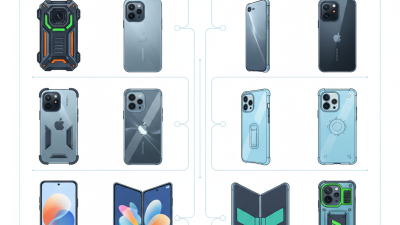
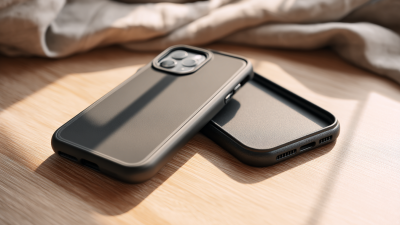
Best Smartphone Cases for Enhanced Protection in 2026
In 2026, smartphone cases play a crucial role in device protection. According to recent industry reports, over 40% of smartphone users replace their devices due to physical damages. This statistic emphasizes the importance of selecting high-quality cases that can absorb shock and prevent cracks.
Impact-resistant materials, such as TPU or polycarbonate, are becoming industry standards. These materials provide enhanced protection without adding significant bulk.
Research indicates that waterproof and dustproof features are increasingly desirable among consumers. Over 30% of smartphone users prefer cases that offer these capabilities. For instance, cases designed to meet IP68 standards can withstand submersion in water for extended periods.
However, not all cases come equipped with such features. This raises questions about user awareness and the need for better education on device protection.
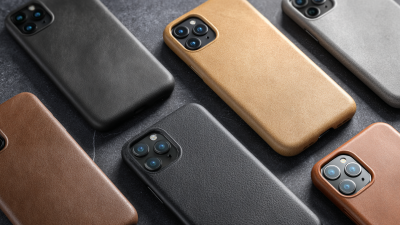
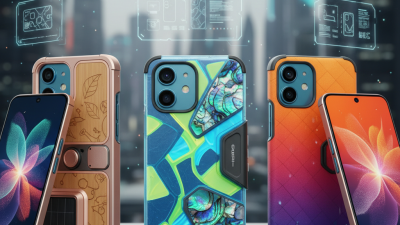
Moreover, aesthetic appeal cannot be overlooked. Users often choose cases that reflect their personal style. However, this pursuit can compromise protection.
Many cases prioritized for design lack the robustness required for serious drops.
Balancing style and protection remains a challenge in the industry, and consumers must be mindful of their choices.
Emerging Technologies Shaping the Smartphone Market in 2026
As we look ahead to 2026, the smartphone market is ripe for transformation. Emerging technologies are leading the way. One significant change includes advanced AI integration. Smartphones will learn user habits better than ever. This will enhance personalization and improve functionality. Users can expect devices that anticipate needs, from organizing schedules to suggesting daily tasks.
Another notable development involves foldable and flexible displays. These innovations promise greater versatility without sacrificing screen size. Imagine a phone transforming into a tablet for larger views. This flexibility can enhance productivity in various settings. However, durability remains a concern. Foldable screens need to withstand daily use. Manufacturers must ensure these devices are built to last.
Moreover, sustainability will play a key role in shaping choices. As environmental consciousness grows, consumers prefer eco-friendly materials. This shift encourages companies to innovate responsibly. Still, it raises questions about balancing performance with sustainable practices. Buyers will need to evaluate trade-offs closely. With these emerging trends, the smartphone landscape will evolve dramatically by 2026.
Budget vs. Premium Smartphones: Making the Right Choice in 2026
The smartphone market in 2026 presents a crucial decision for buyers:
budget vs. premium options.
According to a recent industry report, approximately 45% of consumers plan to spend
under $300 on their next device. This marks a shift towards more affordable alternatives.
Budget smartphones now offer reliable performance with features like decent cameras and long battery life.
These devices are appealing for users who prioritize practicality over luxury.
On the other hand, premium smartphones account for 35% of market interest, as noted by
market analysts. These models typically include advanced specifications such as superior displays
and enhanced processing powers. They cater to users who seek top-tier photography and gaming capabilities.
However, the higher price tag often leads to concerns about diminishing returns. Consumers must ask themselves if
the extra features justify the investment.
Navigating between these two categories can be perplexing. Emerging technologies complicate choices, especially
with accelerated development cycles. Some budget phones now mimic premium devices, offering features that may
suffice for everyday tasks. Yet, premium phones continue to push the envelope with cutting-edge technology.
The decision ultimately hinges on individual needs and usage. Balancing cost
against desired features is critical in today's dynamic tech landscape.

 +8617719515640
 Phone
Phone Email
Email