How to Choose the Best Smartphone and Case for Your Needs?
Choosing the right smartphone and case is crucial in today's tech-driven world. According to John Smith, a renowned mobile technology expert, "Selecting a smartphone and case should reflect your lifestyle and preferences." This statement emphasizes the importance of personal choices in technology.
When you start looking for a smartphone and case, consider your daily needs. For example, are you an avid photographer? A device with a strong camera is essential. Will you drop your phone often? A durable case can save your investment. The balance between aesthetics and protection should be clear.
Many choices exist, which can be overwhelming. Expert opinions suggest focusing on features that truly matter to you. Don't just follow the latest trends blindly. Reflecting on your needs can lead to better decisions. Investing time in research pays off and leads to greater satisfaction with your smartphone and case. Consider your priorities before making a final choice.
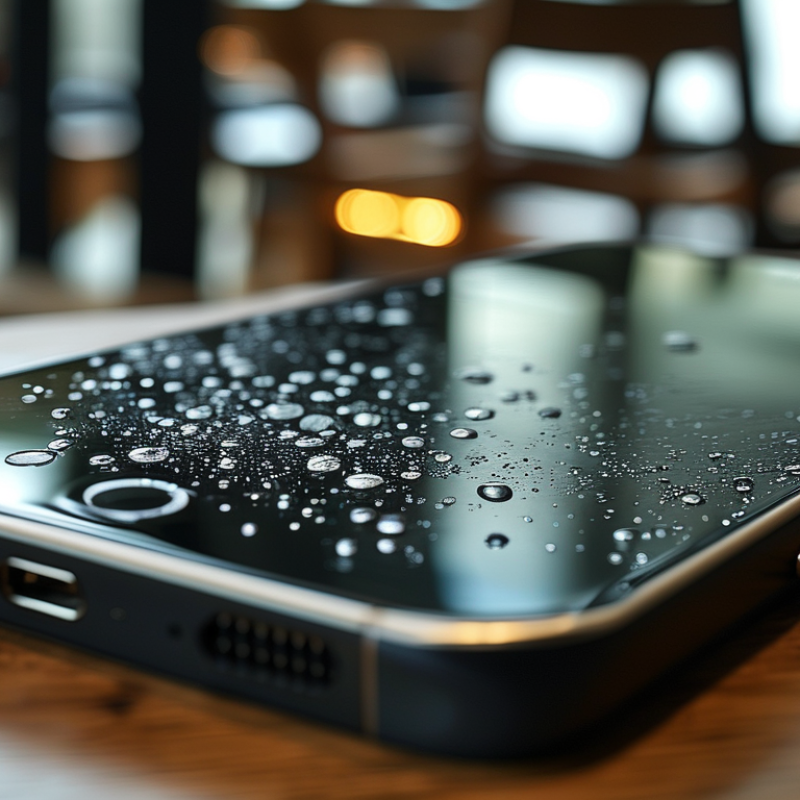
Factors to Consider When Choosing a Smartphone
When choosing a smartphone, consider your requirements carefully. Think about how often you use your phone. Are you a gamer or a casual user? Performance is crucial for gamers. They need devices with higher processing power and better graphics capabilities. Casual users might prioritize simplicity and ease of use.
Battery life is another important factor. If you’re often on the go, you’ll want a device that lasts throughout the day. Check reviews for real-world battery performance. Cameras matter too. If photography is your hobby, seek models with high-quality lenses and advanced features. Don’t overlook storage either. Consider how many apps, photos, and videos you plan to store.
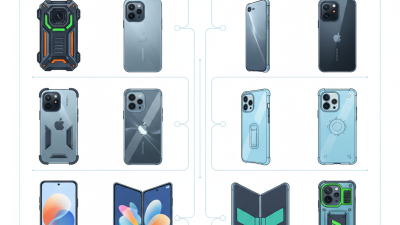
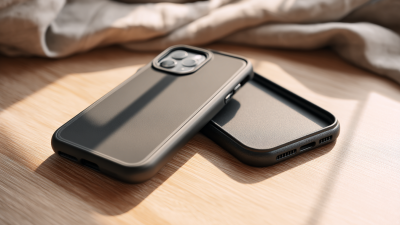
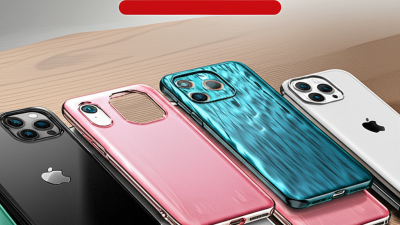
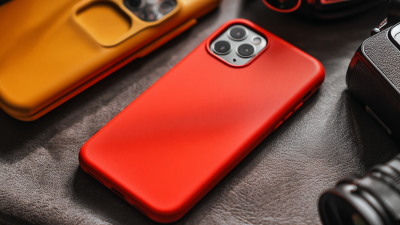
When it comes to cases, think about durability and style. A sturdy case can protect your investment. However, overly bulky cases may hinder usability. Balance aesthetics with protection. Reflect on your daily activities. Do you need a waterproof case while hiking or something slim for a business meeting? Choosing the right smartphone and case requires thoughtful reflection on your lifestyle and needs.
Understanding Smartphone Specifications: Key Features to Evaluate
When choosing a smartphone, understanding specifications is crucial. Key features include processor speed, RAM, battery life, camera quality, and storage capacity. These specifications can significantly impact your user experience. For example, a recent industry report from Statista shows that smartphones with at least 6GB of RAM have better multitasking capabilities.
Battery life is often overlooked, yet it's vital for daily use. A smartphone with a 4000mAh battery typically lasts longer than those with lower capacities. Studies indicate that users prefer devices with fast charging capabilities. This is especially true for heavy users who can’t afford downtime.
Tips: Always compare different models to find the best specs that fit your needs. Analyze what features you use most. Some users may prioritize camera quality, while others may value storage.
Also, consider how your smartphone works with a case. A bulkier case might impact wireless charging. Check for compatibility and ease of use, as it can affect your overall satisfaction. Recognizing these details can help you avoid buyer's remorse.
The Importance of Operating Systems: iOS vs. Android
When choosing a smartphone, understanding the operating system is crucial. Two primary options dominate the market: iOS and Android. Each system has its unique features and user experiences. iOS is known for its seamless integration and ease of use. Many users appreciate its stable performance and regular updates. In contrast, Android offers flexibility and customization. It suits those who enjoy personalizing their devices to the fullest.
While both operating systems have benefits, there are some trade-offs. iOS devices often come with higher price points. Users might stretch their budgets to get the latest model. On the other hand, Android devices provide a range of options at various price levels. However, their fragmented ecosystem can sometimes lead to inconsistent app performance.
Tips for Choosing:
- Consider your usage habits. If you value simplicity, iOS may be the better choice.
- Look into app availability for your interests. Some apps are exclusive to one system.
- Reflect on how much customization you desire. Android can offer extensive options for those who want them.
Choosing the right operating system can shape your smartphone experience. Weigh the pros and cons based on what matters most to you.
Evaluating Battery Life: What Industry Standards Say
When choosing a smartphone, battery life is crucial. Many users prioritize this feature. However, the industry standards can be quite confusing. Most smartphones claim to deliver impressive battery life, but how can you truly evaluate it?
A typical benchmark for battery performance is screen-on time. This measure indicates how long the phone can last with continuous use. A good smartphone often provides 8-12 hours of active usage. Yet, real-world scenarios vary greatly. Factors like screen brightness, app usage, and network conditions play significant roles.
Moreover, consider the charging speeds. A phone that charges quickly can lessen anxiety about battery depletion. Yet, fast-charging technology can strain battery health over time. Users should reflect on their daily habits. Regular charging can be more beneficial than fast options in the long run. Evaluating these aspects helps ensure your choice aligns with your needs.
Evaluating Smartphone Battery Life
Selecting the Right Phone Case: Materials and Protection Levels
When selecting a phone case, materials and protection levels play crucial roles. Research indicates that over 50% of smartphone users will drop their devices at least once a year. This highlights the necessity of choosing a case that can withstand everyday accidents. Cases made from polycarbonate or TPU (thermoplastic polyurethane) materials often offer significant shock absorption. These materials can reduce the impact in case of a fall, sometimes by up to 30%.
Different levels of protection exist. Slim cases provide minimal bulk but offer basic scratch and minor drop protection. On the other end, heavy-duty cases can provide protection from drops exceeding six feet. Reports show that users with heavy-duty cases report up to 70% fewer screen cracks compared to those with slim cases. However, these can make devices bulkier, leading to potential dissatisfaction among users looking for lightweight options.
Ultimately, the choice of a smartphone case should reflect individual needs. While aesthetics and lightweight design are appealing, the primary goal should be effective protection. A significant number of consumers later express regret over opting for less protective cases, realizing too late that their devices suffer from wear and tear. Balancing appearance and safety is key in making a sound decision.
How to Choose the Best Smartphone and Case for Your Needs?
| Smartphone Model |
Screen Size |
Camera Quality |
Battery Life |
Case Material |
Protection Level |
| Model A |
6.5 inches |
48 MP |
24 hours |
Silicone |
Medium |
| Model B |
6.1 inches |
12 MP |
18 hours |
Leather |
High |
| Model C |
6.2 inches |
64 MP |
30 hours |
Plastic |
Low |
| Model D |
5.8 inches |
20 MP |
20 hours |
Hybrid |
Medium |

 +8617719515640
 Phone
Phone Email
Email