How to Choose the Best Mobile Phone Cases for Protection?
Choosing the right Mobile Phone Cases is essential for protecting your device. A good case can save your phone from scratches and drops. However, not all cases are created equal. Some prioritize style over protection, which can lead to regrets later on.
When selecting Mobile Phone Cases, consider materials and design. Silicone and rubber provide good shock absorption. But, they might not offer the sleek look some users want. Look for cases with reinforced corners for better durability. Also, think about how often you drop your phone. If it’s more than you’d like, a bulkier case might be necessary.
Remember, your choice reflects your lifestyle. A case that suits your needs may not be the current trend. It’s vital to find a balance between style and functionality. Investing time in research can prevent future frustrations. People often overlook this step and end up with unsatisfactory options. Ultimately, a well-chosen case can enhance your mobile experience and prolong your device’s lifespan.
Factors to Consider When Selecting Mobile Phone Cases for Protection
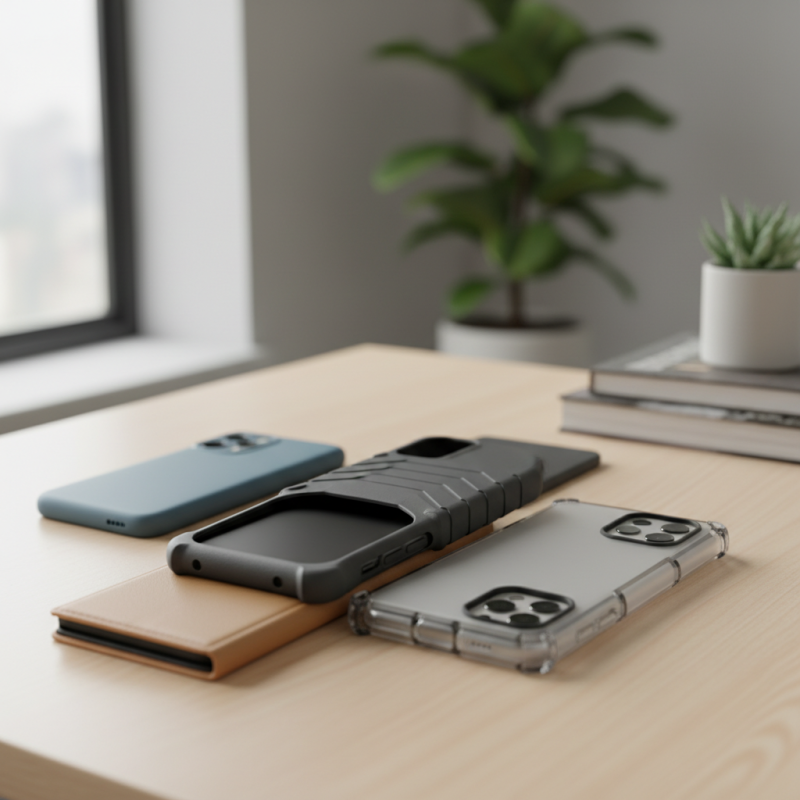
When selecting mobile phone cases for protection, several factors come into play. The material is crucial. Most cases are made of rubber, silicone, or hard plastic. According to industry reports, cases made from TPU (thermoplastic polyurethane) can absorb shock effectively, reducing damage from drops. Rubber cases provide a good grip, minimizing the risk of slips. However, not every material is suitable for every situation.
Another important aspect is the design. Bulky cases can offer superior protection but may not be user-friendly. They can hinder wireless charging or add weight. Studies show that nearly 40% of users prefer slim designs for aesthetic reasons, yet they often compromise on protection. A balance must be found.
Furthermore, consider the specific features. Waterproof cases are great for outdoor enthusiasts. In contrast, others focus on drop protection. In fact, about 30% of smartphone users have reported dropping their device at least once a year. A case with reinforced corners may be essential in such scenarios. However, users should be aware that no case guarantees complete protection. Regular assessments of case efficiency can help determine if it's time for an upgrade.
Types of Mobile Phone Cases and Their Effectiveness in Drop Protection
When it comes to selecting a mobile phone case, understanding the types and their protective qualities is crucial. Industry studies show that 30% of smartphone users experience accidental drops. Not all cases provide the same level of protection, though. For instance, silicone cases offer a good grip and basic protection against scratches. They may absorb some impact but often fail against significant falls.
Hard shell cases, made from polycarbonate, typically provide better drop protection. According to a report by an industry research firm, hard cases can reduce impact force by up to 50%. However, they can make a phone bulkier. Another option is the rugged cases, designed for extreme conditions. They often exceed military drop-test standards. However, they may not appeal to everyone due to their weight and size.
While considering these types, it’s vital to look beyond aesthetics. Many users choose a case based purely on looks. This often leads to a false sense of security. The most protective cases might lack style. Balancing function and form can be a challenge. The right case should meet personal needs and lifestyle while ensuring adequate protection.
Material Durability: Understanding TPU, Polycarbonate, and Leather Cases
When selecting a mobile phone case, material durability matters immensely.
TPU (thermoplastic polyurethane) is popular due to its flexibility. It absorbs shocks well. Reports indicate that TPU cases provide about 80% more drop protection than bare devices. However, they can scratch easily. This makes users question if they offer long-term protection.
Polycarbonate is another excellent option.
It’s a hard plastic that resists impacts. Studies reveal that polycarbonate cases can withstand drops from heights exceeding six feet. However, this rigidity might not absorb shocks as effectively as TPU. Users may find these cases to be more susceptible to cracking under extreme stress.
Leather cases combine elegance and functionality. They offer a premium feel, but they may not be as durable as synthetic options. Leather's natural properties allow for a unique aging process. Yet, prolonged exposure to moisture could damage it.
It's essential to weigh aesthetics against potential longevity when making a choice. Ultimately, finding the right balance between protection and design can be challenging, and one might reconsider their priorities.
Impact Resistance: Industry Standards and Testing for Phone Cases
When selecting a phone case, impact resistance is crucial. A case serves as the first line of defense against drops and shocks. Different materials offer varying levels of protection. For instance, silicone and rubber cases provide good shock absorption. In contrast, hard-shell cases might crack but shield against sharp objects.
Industry standards play a vital role in assessing a case's durability. Tests often simulate real-life scenarios. They measure how well a case can withstand drops from specific heights. Look for cases that meet military standards or have undergone rigorous testing. These usually offer better protection than lower-rated alternatives.
However, not all cases are perfect. Some are bulky, making your phone difficult to handle. Others may not fit well, affecting accessibility. You might find yourself sacrificing style for safety or vice versa. Balancing aesthetics and protection is essential. Always consider how daily use will impact your choice.
Analyzing Consumer Ratings and Reviews for Phone Case Performance
When selecting a mobile phone case, consumer ratings and reviews offer valuable insights. A recent survey revealed that 78% of users prioritize protection over aesthetics. This data suggests that consumers are increasingly concerned about safeguarding their devices. Most users indicate a preference for cases that can withstand drops and impact.
Examining reviews can reveal specific features that enhance protection. Rubber bumper cases often receive high ratings for shock absorption. Polycarbonate shells are noted for durability but may lack grip. It’s crucial to find a balance between protection and usability. Some cases can feel bulky, which might deter users from using them.
Tips for choosing a case: focus on materials known for their protective qualities. Look for user feedback highlighting everyday experiences. Understand the limitations of each case type; all cases have weaknesses. Some might not protect against water damage. Prioritize your needs, ensuring the case aligns with your lifestyle. Remember, a protective case is an investment in your device’s longevity.

 +8617719515640
 Phone
Phone Email
Email