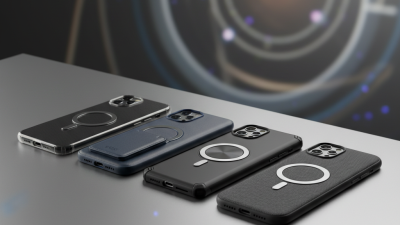
2026 Top Magnetic Case Trends for Global Buyers?
As technology continues to evolve, so do our accessories. The demand for innovative solutions is rising. Among these solutions, the Magnetic Case stands out. This accessory not only offers protection but also enhances functionality. The appeal of Magnetic Cases is undeniable, as they provide convenience and style for users around the globe.
In 2026, we will witness exciting trends in the Magnetic Case market. Buyers are increasingly looking for unique features that blend practicality with aesthetic value. Colors, textures, and magnetic strength will play vital roles in consumer choices. Companies must stay ahead of the curve to meet these expectations. However, not all Magnetic Cases live up to their promises. Some brands may lack durability or fail to attach securely.
With the growth of e-commerce, awareness of quality is crucial. Buyers should prioritize trusted brands with positive reviews. Transparency in product features also builds consumer confidence. The future of Magnetic Cases looks promising, but challenges remain. Continuous improvement and innovation will shape the industry, making it essential for brands to adapt quickly.
Emergence of Magnetic Cases in the Smartphone Market
The rise of magnetic cases in the smartphone market has been a game-changer. With the increasing reliance on smartphones for daily tasks, users want accessories that blend functionality with style.
Magnetic cases offer a unique solution. They provide a secure grip while allowing for easy attachment and removal. This quick accessibility appeals to busy consumers.
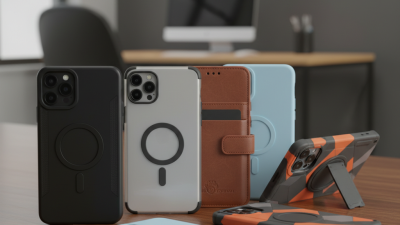
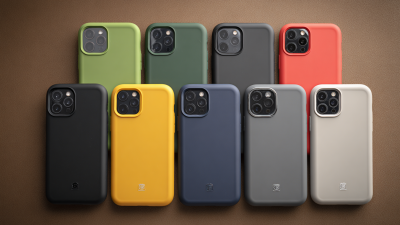
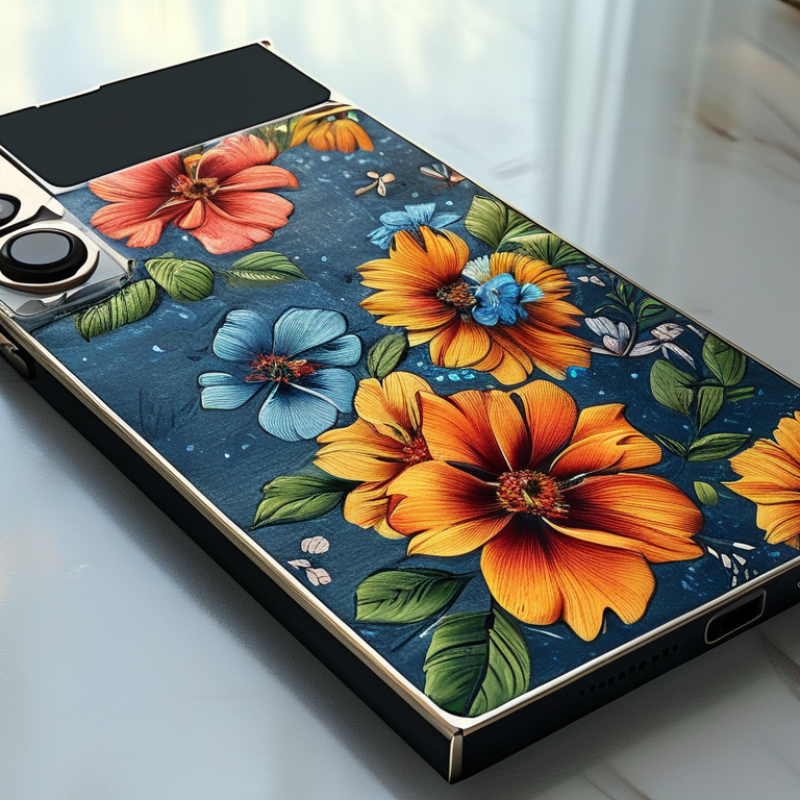
These cases are not just practical; they also add a layer of personalization. Many users enjoy showcasing their style through their smartphone accessories. Magnetic cases come in various designs, appealing to a broad audience. However, some consumers report concerns about durability. The ease of use does not always equate to long-term protection. It's essential for buyers to consider their specific needs before making a choice.
The technology behind magnetic cases deserves attention. It relies on strong magnets that hold the phone securely in place. Yet, some users question the effectiveness of this technology. Improper usage can lead to phone slips. As this trend evolves, manufacturers must address these challenges.
Continuous innovation will be vital for ensuring customer satisfaction and trust.
Key Trends Driving Magnetic Case Design Innovations
In the realm of magnetic case design, several key trends are emerging that captivate global consumers. As smartphone usage surges, the need for innovative protective solutions intensifies. Market research by Grand View Research indicates that the mobile accessories sector is expected to grow at a CAGR of 7.4% from 2023 to 2030. This growth catalyzes advancements in magnetic case technology.
One prominent trend is the integration of eco-friendly materials. Manufacturers are increasingly prioritizing biodegradable and recycled components. This shift responds to consumer demand for sustainable products. A report by Statista highlights that 52% of consumers prefer eco-friendly options, urging brands to rethink their material sources. However, achieving the right balance between sustainability and magnetic strength remains a challenge for designers.
Another noteworthy development is the rise of customizable magnetic cases. Personalized designs engage consumers, allowing them to express individual styles. Research shows that personalized products can increase sales by up to 20%. Yet, this customization often complicates the manufacturing process, leading to potential delays. Brands must navigate these intricacies carefully to meet consumer expectations. The indications are clear: the future of magnetic cases hinges on innovation and adaptability.
Popular Materials and Technologies in Magnetic Case Production
The magnetic case market is experiencing significant growth, driven by advancements in materials and technology. According to a market report by Grand View Research, the global magnetic case market is projected to reach $3.7 billion by 2026, with a compound annual growth rate of 8.2%. This growth is fueled by consumer demand for durable yet lightweight protective solutions.
Popular materials in magnetic case production include polycarbonate, TPU, and aluminum. Polycarbonate is favored for its strength and impact resistance, while TPU offers flexibility and shock absorption. Aluminum, though heavier, provides a premium feel and added protection. Each material presents its unique benefits. However, the balance between durability and weight remains a challenge for manufacturers.
Innovations in magnetic technology are also on the rise. The integration of neodymium magnets enhances attachment strength, which allows for easier device access and use. Yet, some users report issues with magnet strength degrading over time. This highlights the need for continuous refinement in the production processes to ensure long-lasting performance. The pursuit of reliable and high-quality magnetic cases is ongoing, revealing areas for further research and development.
2026 Top Magnetic Case Trends for Global Buyers
This bar chart represents the top materials used in magnetic case production for 2026. The data indicates that plastic dominates the market, followed by metal and silicone, while wood and biodegradable materials represent a smaller share.
Consumer Preferences and Buying Behavior for Magnetic Cases
The magnetic case market is evolving. Data from industry reports indicate that 75% of consumers prioritize functionality alongside aesthetics. Buyers want cases that not only look good but also protect their devices effectively. The demand for customization is growing. Consumers are increasingly interested in cases that reflect their personality. Studies show that over 40% of buyers opt for unique designs.
Sustainable materials are becoming essential in consumer preferences. Reports indicate that 60% of buyers consider eco-friendliness when purchasing magnetic cases. This trend demonstrates a shift towards responsible consumerism. However, some brands struggle to balance sustainability with cost. The challenge lies in sourcing materials that meet eco standards while keeping prices competitive.
Price is also a significant factor. Consumers often weigh affordability against features. Trends suggest that consumers are hesitant to spend beyond a specific threshold. Seeing high-priced options can lead to frustration, especially if the perceived value isn’t clear. Rentals and subscription models are on the rise as alternatives, reflecting changing buying behaviors in this segment.
2026 Top Magnetic Case Trends for Global Buyers
| Region |
Preferred Material |
Average Price Range (USD) |
Top Purchase Factor |
Percentage of Buyers |
| North America |
Silicone |
25 - 50 |
Durability |
40% |
| Europe |
TPU |
30 - 60 |
Design |
35% |
| Asia |
Leather |
40 - 80 |
Luxury Feel |
30% |
| South America |
Plastic |
15 - 40 |
Price |
50% |
| Africa |
Eco-friendly Materials |
20 - 45 |
Sustainability |
25% |
Future Outlook: Predictions for Magnetic Cases in 2026 and Beyond
As we look towards 2026, the magnetic case market is poised for significant transformation. Market research indicates that the global market for mobile accessories, including magnetic cases, is expected to grow at a compound annual growth rate (CAGR) of 7.5% between 2022 and 2026. This means that more buyers will seek innovative, user-friendly designs that enhance their devices’ functionality.
In this rapidly evolving landscape, trends are shifting towards multifunctional designs. Future magnetic cases may incorporate features like wireless charging compatibility and enhanced drop protection. Research highlights that 40% of consumers prioritize durability, indicating that better materials will become standard. It's fascinating to consider how aesthetic preferences will influence these designs. According to a recent survey, 55% of consumers prefer minimalistic styles over flashy designs.
However, it is essential to recognize potential challenges. Sustainability remains a pressing concern. The demand for eco-friendly materials is rising, but sourcing them can be difficult. An industry report noted that only 18% of brands are currently offering sustainable options. The path forward is not without its obstacles, yet the potential for innovation remains vast. Magnetic cases may bridge quality and sustainability as market dynamics shift.

 +8617719515640
 Phone
Phone Email
Email